
If you’ve ever planned to build a travel website or launch an online travel agency (OTA), you’ve probably asked this question:
“Why is building a flight booking engine so expensive?”
At a surface level, it looks simple. Users search for flights, select an option, and complete a booking. But beneath that seemingly simple interface lies a highly complex ecosystem powered by real-time data, multiple integrations, and heavy backend infrastructure.
In reality, a flight booking engine is not just a feature—it’s a mission-critical system that must process thousands of queries, interact with multiple airline systems, and deliver accurate results instantly.
Many businesses underestimate this complexity. They assume it’s just another website feature, only to realize later that costs escalate quickly due to API pricing, infrastructure demands, and continuous maintenance.
In this in-depth guide, we’ll break down:
Why flight booking engines are expensive
What factors influence development costs
How APIs play a crucial role
Practical ways to reduce expenses
Whether it’s worth building one at all
If you’re planning to invest in travel technology, this guide will help you make smarter decisions.
What Is a Flight Booking Engine?
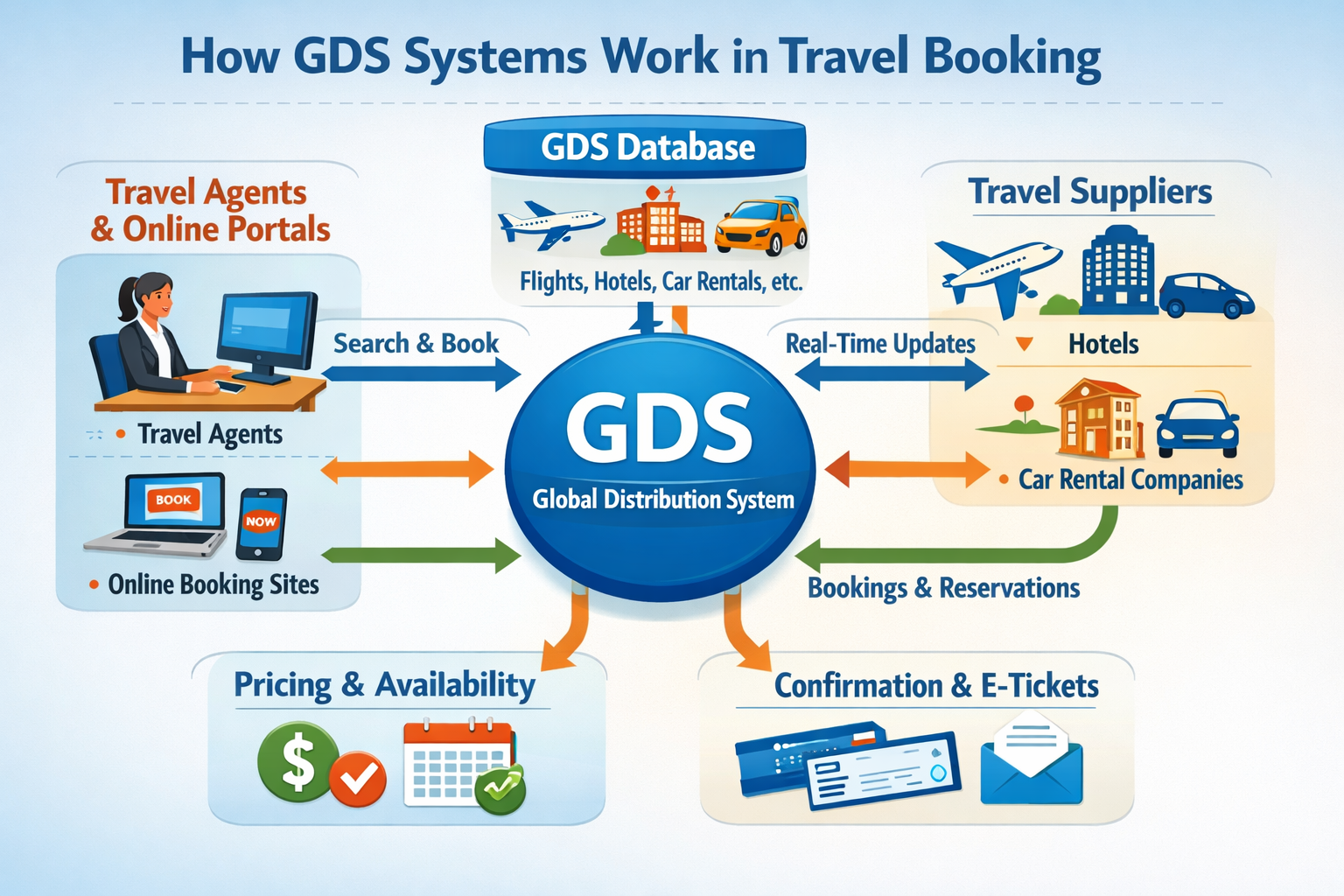
A flight booking engine is a system that allows users to search, compare, and book flights in real time. It acts as a bridge between airlines and customers.
Core functionalities include the following:
Real-time flight search
Price comparison
Seat availability display
Booking and payment processing
Ticket generation
Booking management
How it works (simplified):
User enters travel details
The system sends requests to APIs (Duffel, GDS, etc.)
APIs return available flights
The engine processes and displays results
User selects and books
System confirms via airline
This process happens in milliseconds, often across multiple systems simultaneously.
Why Flight Booking Engines Are Inherently Complex
Before we get into cost breakdowns, it’s important to understand one thing:
A flight booking engine operates in one of the most dynamic and data-intensive industries.
Unlike static platforms, it must:
Handle constantly changing prices
Sync with multiple external systems
Maintain high performance under heavy load
Ensure transaction accuracy
This complexity is the root cause of high development and operational costs.
Key Factors That Make Flight Booking Engines Expensive
1. Flight API Integration Costs
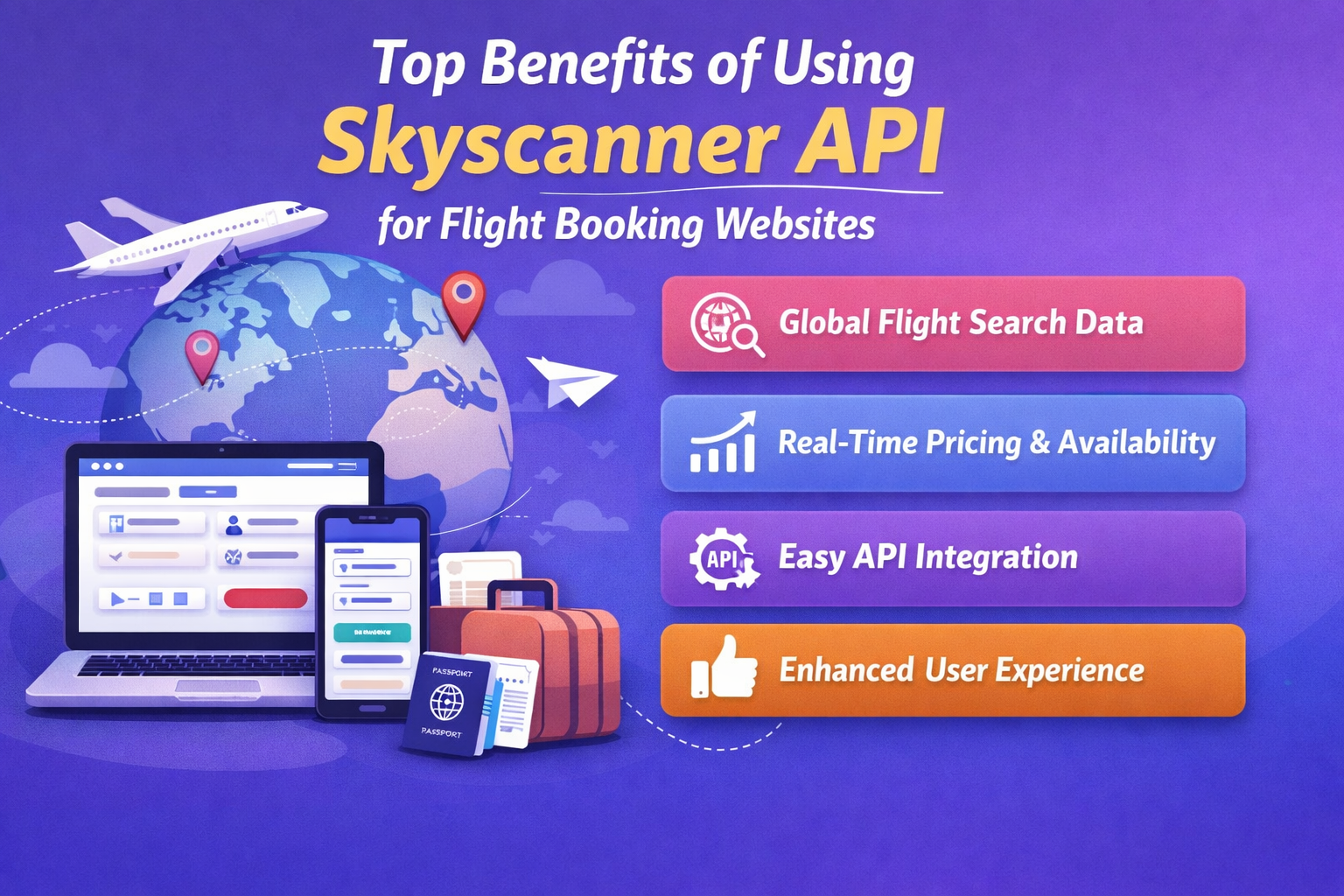
Flight APIs are the backbone of any booking engine.
Popular options include:
Duffel
Amadeus
Sabre
These APIs provide access to airline inventory, pricing, and booking capabilities.
Why API costs are high:
They charge per request (search queries)
They charge per successful booking
Additional services (bags, seats) may cost extra
Even if a user doesn’t complete a booking, you still pay for the search request.
Example scenario:
If 1,000 users search flights and only 10 book, you still pay for all 1,000 API calls.
This makes cost unpredictable and directly tied to traffic.
For a deeper understanding of implementation and pricing models, this guide on how to integrate Duffel Flight API is highly useful:
Strategically, understanding API integration early can help you avoid major cost overruns.
2. Real-Time Data Processing Complexity
Flight data is not static—it changes constantly.
Factors affecting real-time data:
Airline pricing algorithms
Seat availability
Demand fluctuations
Seasonal trends
Your system must:
Fetch fresh data instantly
Handle multiple API responses
Normalize different formats
Display results without delay
Technical challenges:
Latency reduction
Data synchronization
Error handling
Cache invalidation
This requires advanced backend engineering, which increases development cost significantly.
3. Multi-System Integration
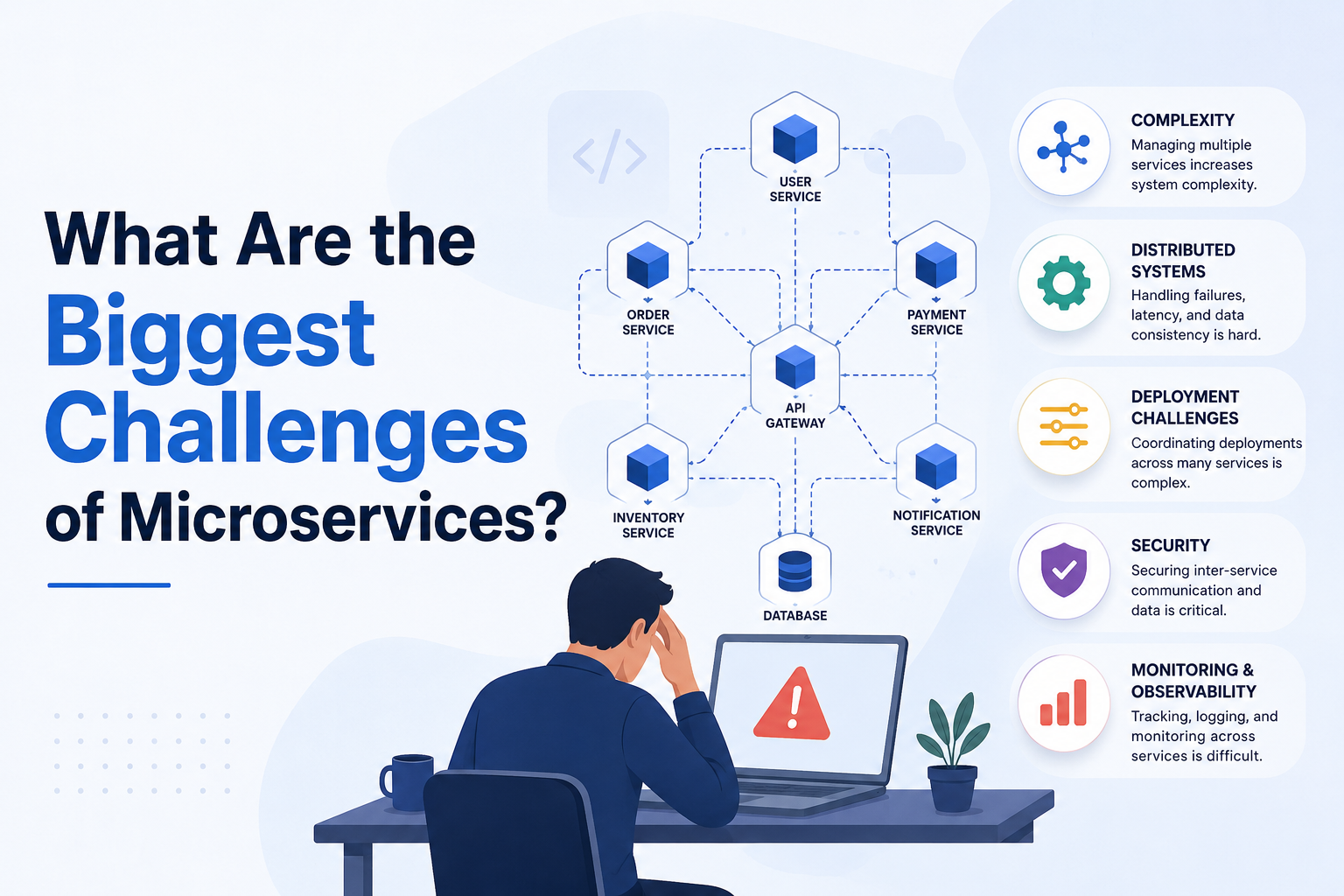
A flight booking engine is never a standalone system.
You typically need to integrate:
External systems:
Airline APIs
GDS systems
Payment gateways
Email/SMS services
Internal systems:
Admin dashboard
CRM
Analytics tools
Each integration adds:
Development complexity
Testing requirements
Maintenance overhead
And the more systems you integrate, the higher the cost.
4. Backend Development & Search Algorithms
This is where most of your budget goes.
The backend must:
Process thousands of requests
Filter and rank results
Handle concurrency
Ensure fast response times
Why it’s expensive:
Requires experienced developers
Needs optimized algorithms
Must handle edge cases
Flight search is not a simple query—it involves:
Sorting by price, duration, stops
Combining multi-leg journeys
Handling airline-specific rules
This complexity makes backend development one of the most expensive components.
5. Infrastructure & Scalability Costs
Flight booking engines must be built for scale from day one.
Infrastructure requirements:
Cloud hosting (AWS, Azure, GCP)
Load balancing
Auto-scaling servers
Caching layers
Database optimization
Why this increases cost:
Traffic spikes during peak seasons
High concurrent users
Heavy API usage
As your platform grows, infrastructure costs grow with it.
6. Security & Compliance
Handling payments and user data requires strict compliance.
Key requirements:
PCI-DSS compliance
Secure payment gateways
Data encryption
Fraud prevention
Why it’s costly:
Implementation complexity
Regular audits
Ongoing monitoring
Security is not optional—it’s essential for trust and legality.
7. Ongoing Maintenance & Updates
Many businesses ignore this—but it’s a major cost factor.
Continuous work includes:
Updating APIs
Fixing bugs
Improving performance
Adding new features
Airline systems and APIs change frequently, so your system must adapt.
This makes flight booking engines a long-term investment, not a one-time build.
Estimated Cost to Build a Flight Booking Engine
Here’s a realistic breakdown based on complexity:
Level Cost Range Features MVP: $15,000 – $40,000 Basic API integration, limited features Mid-Level: $40,000 – $100,000 Advanced filters, UI, payment integration Advanced OTA$100,000+ Multi-API, scalability, automation
What affects cost the most:
Number of API integrations
Feature complexity
UI/UX design
Development team location
Infrastructure setup
Build vs Buy vs API-Based Approach
Choosing the right approach can significantly impact cost.
1. Custom Build
Pros:
Full control
Custom features
Cons:
High cost
Long timeline
2. White-Label Solution
Pros:
Faster launch
Lower upfront cost
Cons:
Limited flexibility
Vendor dependency
3. API-Based Solution (Recommended)
Pros:
Scalable
Flexible
Cost-efficient
Cons:
Ongoing API costs
For most startups, API-based solutions provide the best balance.
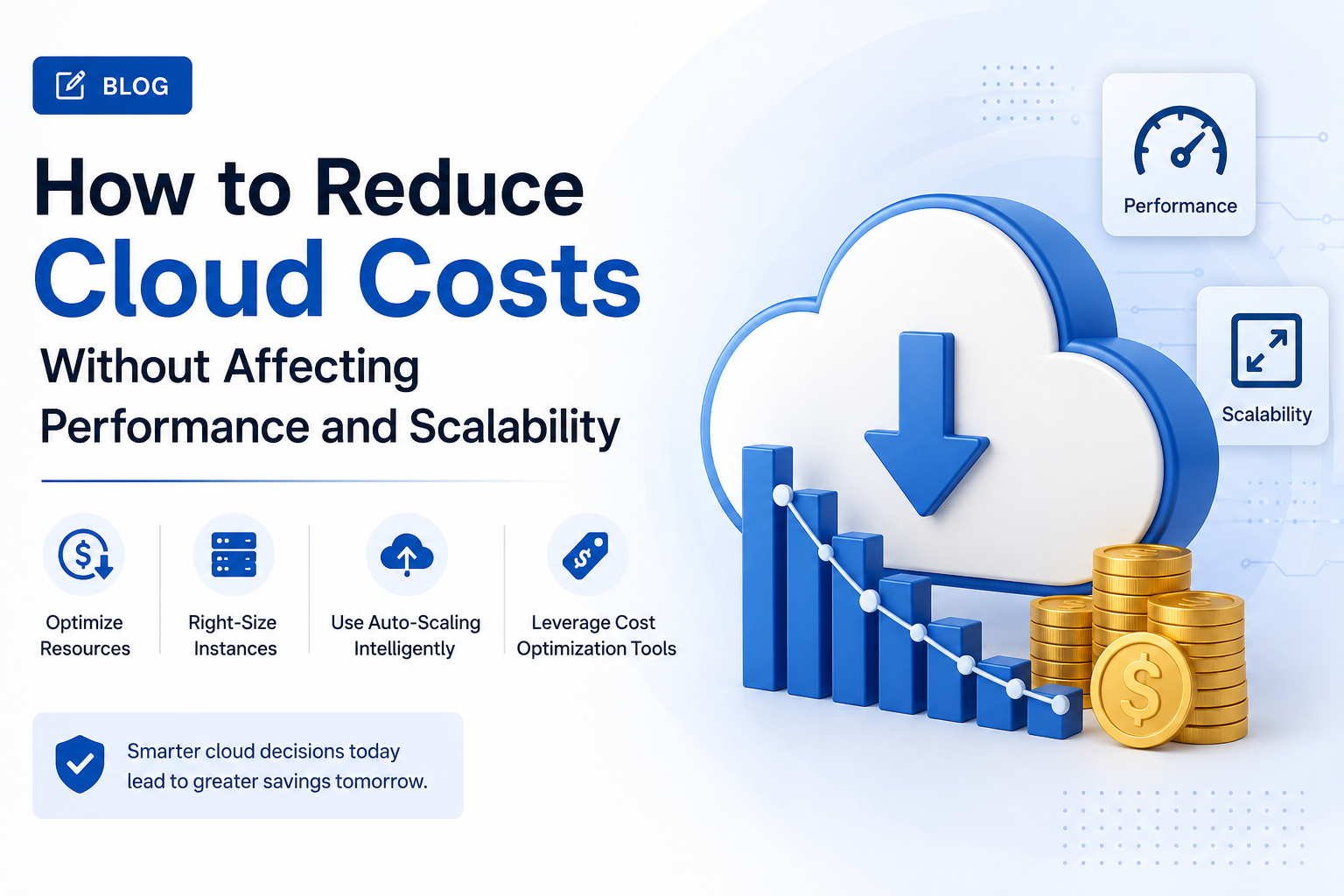
How to Reduce Flight Booking Engine Development Cost
Here are practical strategies:
1. Start with an MVP
Focus only on:
Search
Basic booking
Payments
Avoid unnecessary features early.
2. Use a Single API Initially
Instead of multiple integrations, start with one provider like Duffel.
This reduces:
Development time
Complexity
Initial cost
3. Optimize API Usage
Cache frequent searches
Limit unnecessary API calls
Use smart request handling
This can significantly reduce operational cost.
4. Use Pre-Built Components
Payment gateways
Notification systems
Admin panels
This saves development time and cost.
5. Plan for Scalability Early
Avoid rebuilding later by designing scalable architecture from the start.
Is It Worth Building a Flight Booking Engine?
It makes sense if:
You have a long-term travel business vision
You expect significant traffic
You want full control over user experience
It may not be worth it if:
You’re testing an idea
The budget is limited
You lack technical expertise
In many cases, starting small and scaling gradually is the smarter approach.
Common Mistakes to Avoid
Underestimating API costs
Overbuilding in the early stage
Ignoring scalability
Choosing the wrong tech stack
Skipping proper planning
Avoiding these mistakes can save thousands of dollars.
Future Trends in Flight Booking Technology
As real-time data becomes increasingly critical, many platforms are beginning to integrate solutions like the FlightRadar24 API to provide live flight tracking, accurate status updates, and enhanced user transparency. This not only improves the booking experience but also builds trust by giving travelers access to up-to-date flight information.
Key trends:
API-first architecture
AI-based price prediction
Personalized recommendations
Mobile-first experiences
Voice search integration
Staying aligned with these trends ensures long-term success.
Conclusion
Building a flight booking engine is expensive because it combines multiple high-cost elements:
Real-time data processing
Complex API integrations
Scalable infrastructure
Continuous maintenance
It’s not just a website—it’s a high-performance system operating in a fast-changing environment.
However, with the right approach—starting with an MVP, choosing the right API, and planning strategically—you can build a cost-effective and scalable solution.
Final
Building a flight booking engine without proper planning can lead to massive costs and delays.
If you’re considering launching a travel platform, the smartest first step is understanding the technical and financial landscape.
Need expert guidance on building a cost-efficient flight booking system?
Now is the time to make the right decision—before you invest heavily.












Write a comment ...